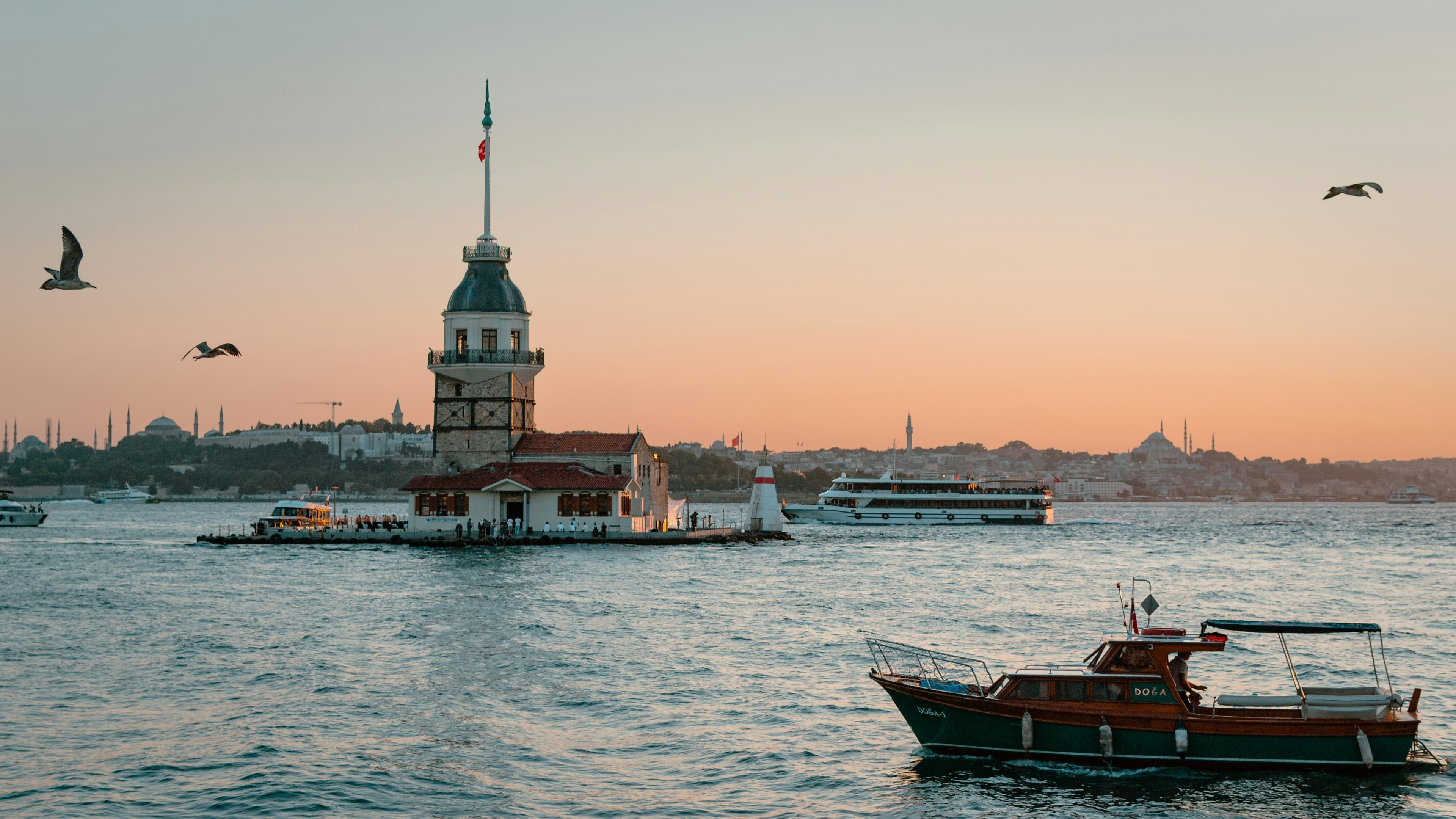
Must-Try Cuisines in Istanbul
Istanbul is a crossroads of flavors where Ottoman, Mediterranean, and Anatolian traditions meet. Whether you sit down for a leisurely kahvaltı (Turkish breakfast), share mezeler at...
June 11, 2026
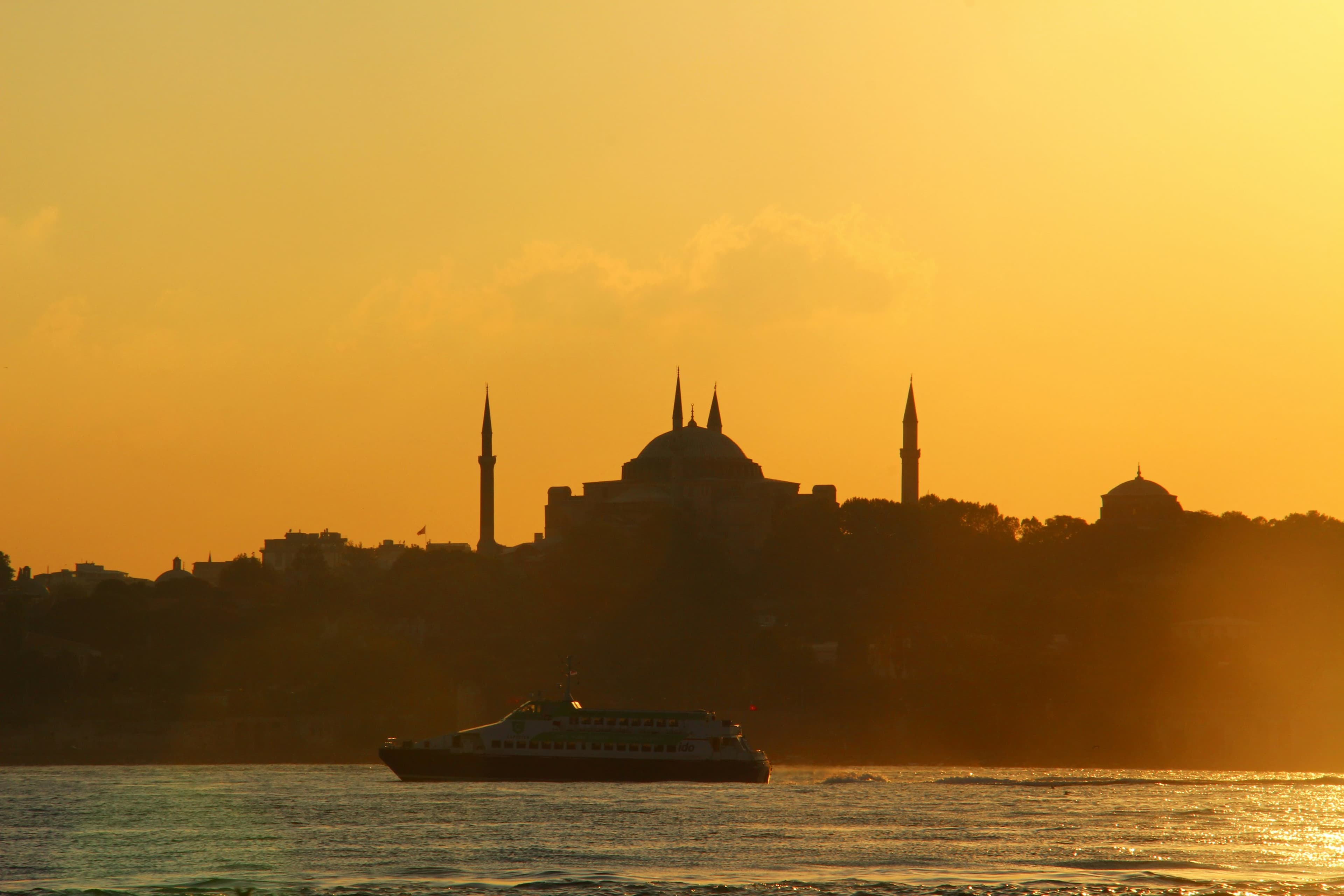
The Istanbulkart is the best way to pay for public transport. Avoid taxis during peak hours due to heavy traffic
Istanbul, the largest city in Turkey, is a unique and vibrant metropolis that straddles two continents: Europe and Asia, divided by the Bosporus Strait. As one of the most culturally rich and historically significant cities in the world, Istanbul has been the capital of three great empires: the Roman, Byzantine, and Ottoman Empires. Its history spans more than 2,500 years, and the city is an extraordinary blend of East and West, where diverse cultures, religions, and traditions coexist.
History and Architecture
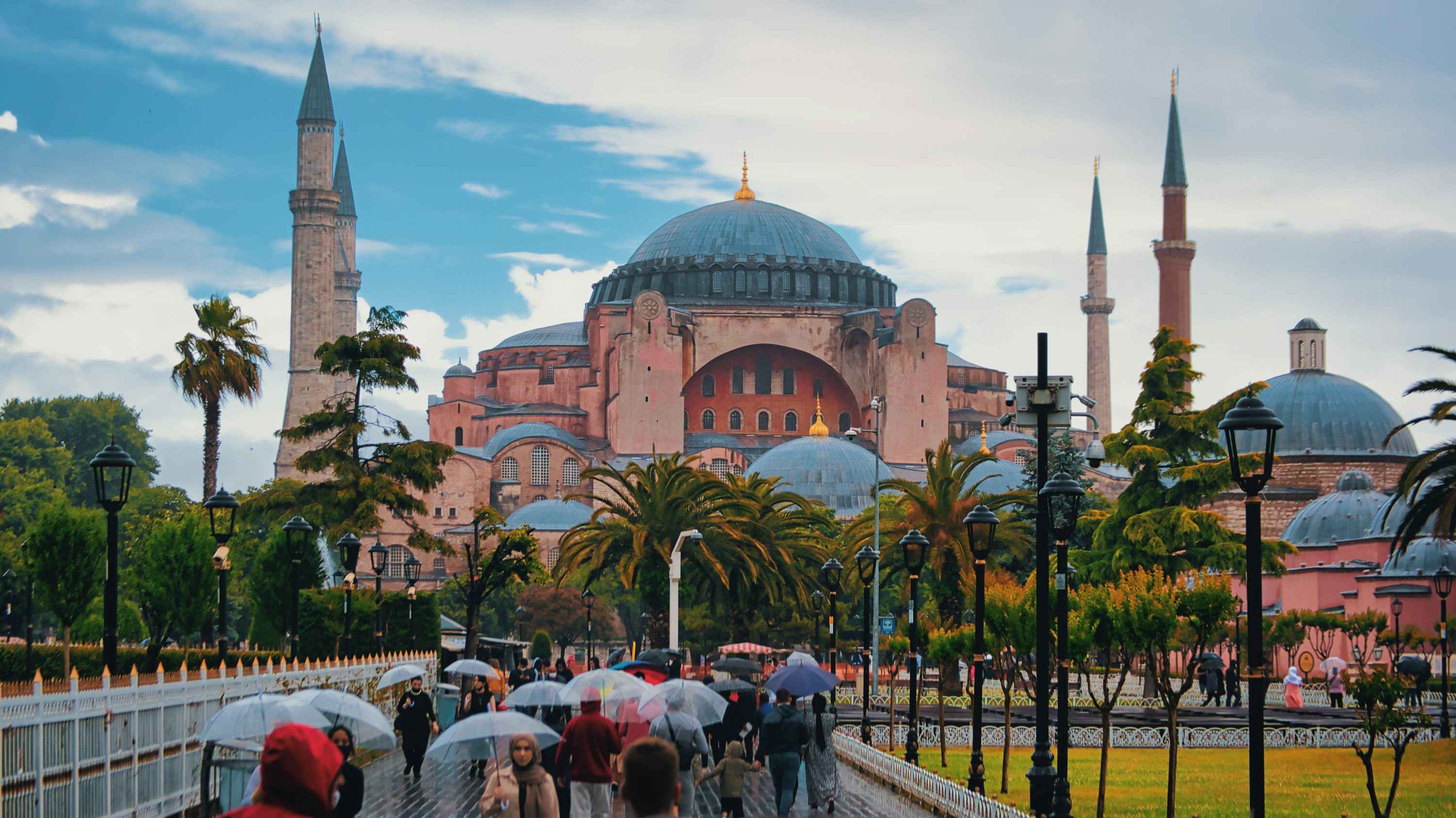
Istanbul's rich history is reflected in its architecture, which showcases a mix of Roman, Byzantine, Ottoman, and modern styles. Originally founded as Byzantium around 660 BCE, the city was renamed Constantinople in 330 AD by the Roman Emperor Constantine the Great, before becoming the capital of the Byzantine Empire. In 1453, the city fell to the Ottoman Empire and was renamed Istanbul, becoming the empire's capital and the center of its cultural and political life until the empire's dissolution in the early 20th century.
The city's architectural landmarks include:
Hagia Sophia: A former church, mosque, and now museum, this monumental structure is famous for its massive dome and its role as one of the greatest architectural achievements of the Byzantine Empire.
Blue Mosque (Sultan Ahmed Mosque): Known for its striking blue tiles and majestic design, this mosque is an iconic symbol of Ottoman architecture.
Topkapi Palace: The former residence of Ottoman sultans, it houses priceless artifacts and offers sweeping views of the Bosphorus.
Basilica Cistern: A fascinating underground water reservoir from the Byzantine era.
Galata Tower: A medieval stone tower offering panoramic views of the city.
Dolmabahçe Palace: An extravagant 19th-century palace reflecting Western European architectural styles.
Istanbul is the cultural heart of Turkey, a city where ancient traditions meet contemporary art. The city hosts numerous cultural festivals, including film, music, and dance events. It is also home to a thriving art scene, with galleries like the Istanbul Modern Art Museum and venues like Pera Museum showcasing works from both Turkish and international artists.
Istanbul's music scene is diverse, featuring everything from traditional Turkish classical and folk music to modern pop and rock. Whirling dervishes (Sufi dancers) are a key part of Istanbul’s spiritual and cultural heritage, often performing at cultural events.
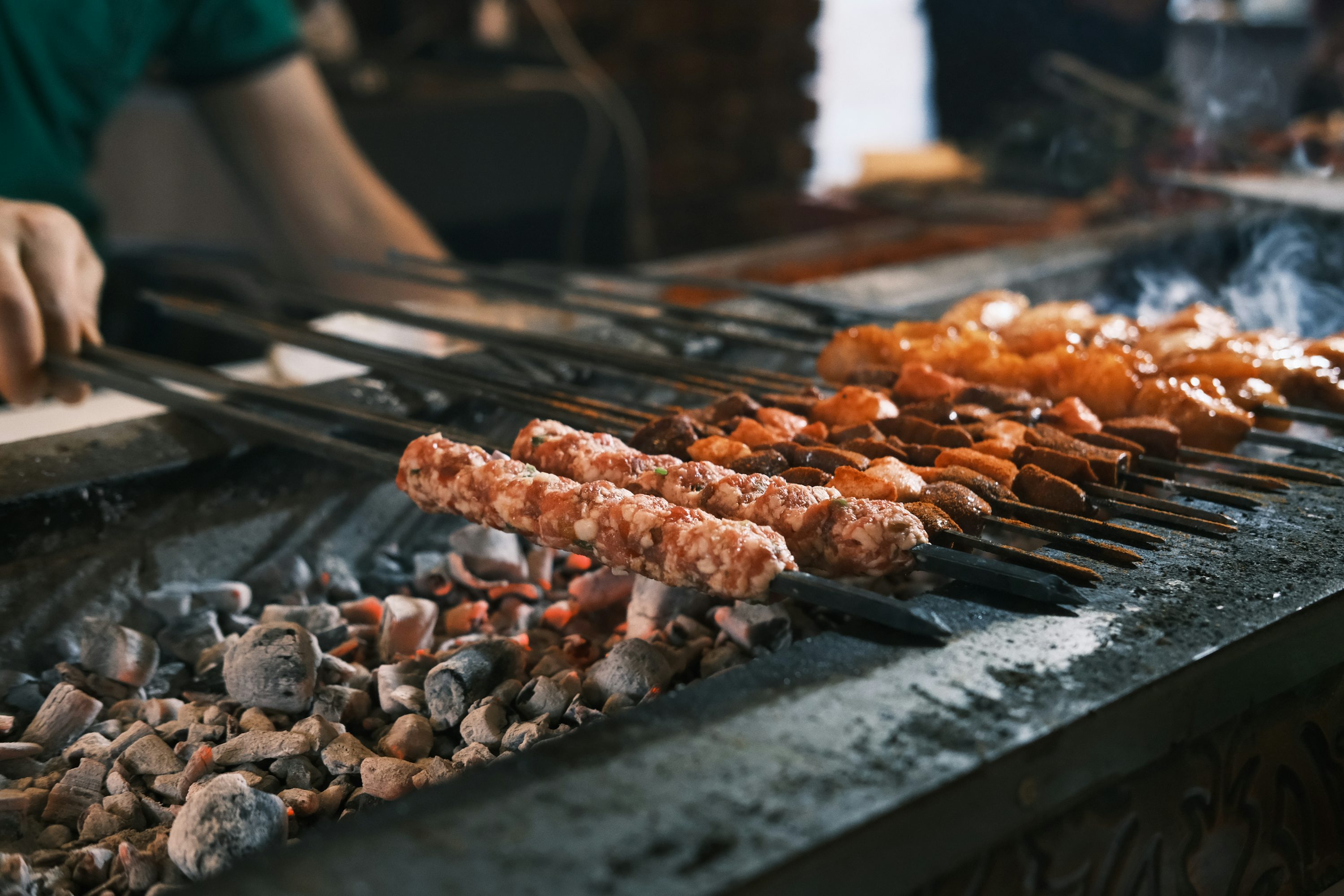
Istanbul’s food scene is one of the most diverse in the world, shaped by centuries of history and a blend of influences from the Middle East, Central Asia, Eastern Europe, and the Mediterranean. Visitors can indulge in an array of delicious dishes, such as:
Kebabs: Including the famous shish kebab and doner kebab (similar to shawarma).
Baklava: A rich, sweet pastry made of thin layers of dough filled with nuts and honey or syrup.
Meze: Small appetizer plates of various dips, vegetables, and meats, often served with raki (Turkish aniseed liquor).
Simit: A sesame-crusted bread ring, often enjoyed as a street food snack.
Turkish Delight (Lokum): A chewy, sweet treat flavored with rosewater, lemon, or other fruits.
The city is also famous for its tea culture, with Turkish tea being an essential part of social life, served in small tulip-shaped glasses.
Istanbul is Turkey's financial and commercial center, with its economy supported by a wide range of industries, including finance, tourism, textiles, and technology. The city hosts the Istanbul Stock Exchange and is home to many multinational corporations' regional headquarters.
In recent years, Istanbul has become a major hub for the tech industry and innovation, with increasing numbers of startups and tech incubators springing up across the city.
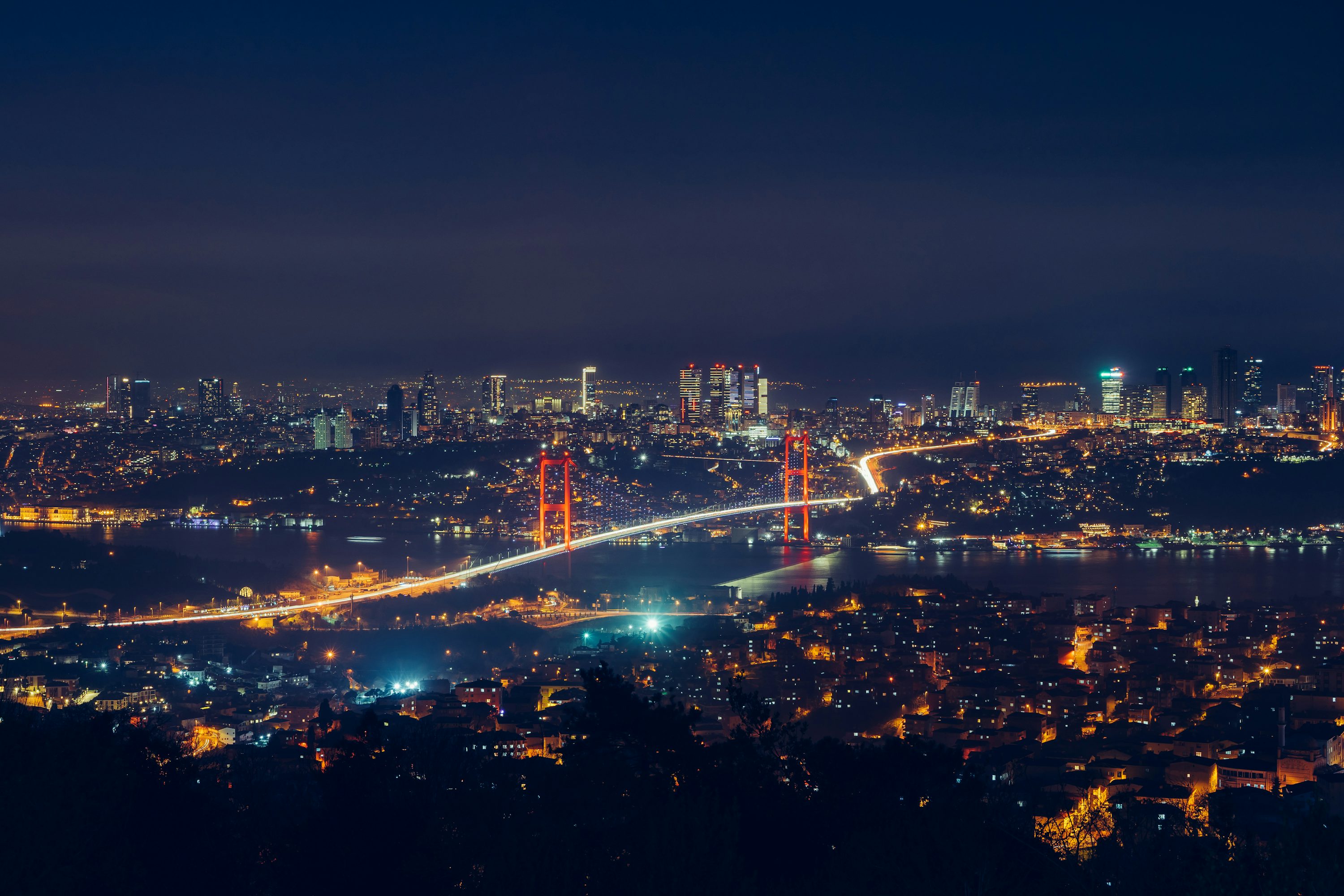
The Bosphorus Strait plays a significant role in global trade, as it connects the Black Sea to the Mediterranean, making Istanbul a critical point for maritime trade and commerce.
While Istanbul is a bustling metropolis, it also boasts many green spaces and parks. Notable spots include:
Gülhane Park: A historic park located near Topkapi Palace, offering a peaceful escape in the heart of the city.
Yıldız Park: A vast green space with gardens, pavilions, and walking paths.
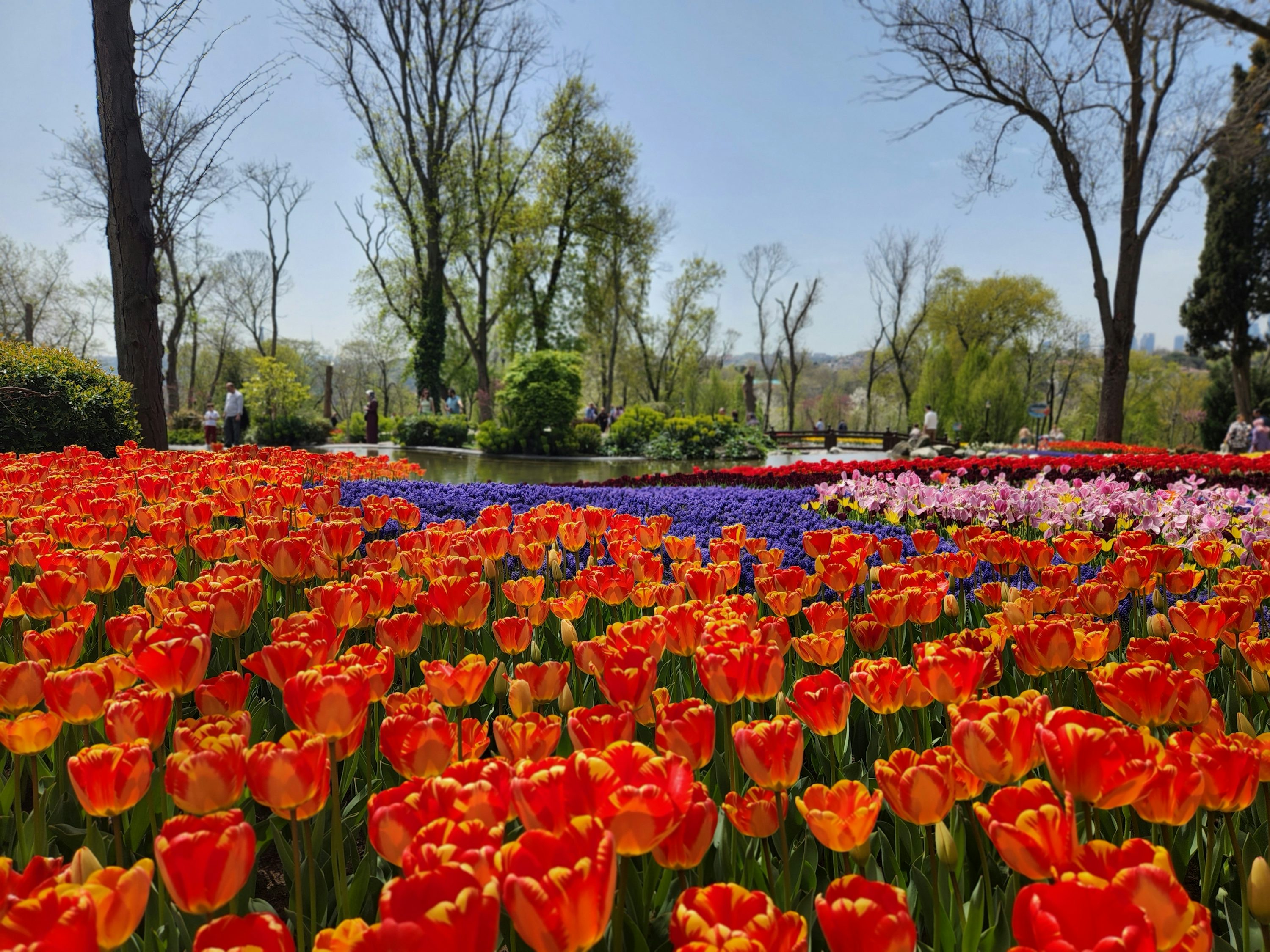
Emirgan Park: Known for its tulip festival in spring and its stunning views of the Bosphorus.
Princes' Islands: Offering seaside relaxation and a retreat from the hustle and bustle of city life.
Transportation
Istanbul is a city that never sleeps, and its transportation network is vast and constantly evolving. The city has an extensive public transit system, which includes:
The Istanbul Metro (subway), which connects the European and Asian sides of the city.
Trams and buses that weave through the city, making it easy to get around.
The ferry system across the Bosphorus is iconic and a scenic way to travel between the European and Asian sides of the city.
Taxis and ride-sharing services like Uber are also widely available.
In addition, Istanbul has an expanding network of bike paths and walking routes, encouraging more sustainable forms of transportation.
Istanbul is a top global destination, with landmarks that span millennia of history. Key attractions include:
Hagia Sophia: A symbol of Istanbul’s role as a crossroads of cultures and religions.
Blue Mosque: Known for its incredible architecture and blue tiles.
Topkapi Palace: The former Ottoman imperial palace.
Grand Bazaar: One of the oldest and largest covered markets in the world, where visitors can shop for everything from jewelry to carpets to spices.
Basilica Cistern: A stunning underground reservoir from Byzantine times.
Istiklal Avenue: A bustling shopping street in the Beyoğlu district, lined with historic buildings, restaurants, and theaters.
The Bosphorus Strait itself is a must-see, offering breathtaking views of the city’s skyline, historic palaces, and the famous Bosphorus Bridge that connects the two continents.
Istanbul blends its ancient history with modern development. The Karaköy and Beyoğlu districts are known for their trendy cafes, galleries, and boutique stores, offering a glimpse into the city's contemporary side. The Istanbul Modern Art Museum and Istanbul Biennale showcase the city’s growing modern art scene.
The city is also preparing for a significant transformation with the Istanbul Canal Project, a planned artificial shipping channel meant to alleviate traffic in the Bosphorus and promote further urban development.
The lifestyle in Istanbul is dynamic, with a mixture of traditional and contemporary influences. The city's café culture, where people socialize over Turkish coffee or tea, is a fundamental part of daily life. The city’s neighborhoods vary greatly: from the upscale Nişantaşı with luxury boutiques and trendy restaurants, to the more laid-back and bohemian Çukurcuma and Karaköy districts, where artists and creatives thrive.
In summary, Istanbul is a city of contrasts—where the ancient meets the modern, and East meets West. Its rich history, vibrant culture, and unique geographical location make it one of the most fascinating cities in the world. With a thriving economy, dynamic cultural scene, and stunning landmarks, Istanbul continues to be a significant global city, drawing millions of visitors and residents alike.
Istanbul, the largest city in Turkey, is a unique and vibrant metropolis that straddles two continents: Europe and Asia, divided by the Bosporus Strait. As one of the most culturally rich and historically significant cities in the world, Istanbul has been the capital of three great empires: the Roman, Byzantine, and Ottoman Empires. Its history spans more than 2,500 years, and the city is an extraordinary blend of East and West, where diverse cultures, religions, and traditions coexist.